
Introduction: Why Technical SEO and Links Aren’t Enough
When it comes to search engine optimization (SEO), many site owners focus heavily on technical elements like site structure, page speed, link building, or even moving a website to a new domain. While these elements are undeniably important, they represent only a part of the SEO equation. In reality, focusing solely on these tactics often fails to address deeper issues tied to content quality. In this article, we’ll explore why technical SEO and link-building are not definitive solutions for improving a website’s ranking in Google search results.
Content Quality: The Core of the Issue
Google has consistently emphasized the importance of high-quality content. Its algorithm is designed to reward websites that provide valuable, relevant answers to users. So even if a site is technically perfect and well-linked, it won’t perform well in search results if the content isn’t helpful, informative, or original. That’s why content quality must be at the core of any SEO strategy.
Technical SEO and Link Building: Important, but Not All-Powerful
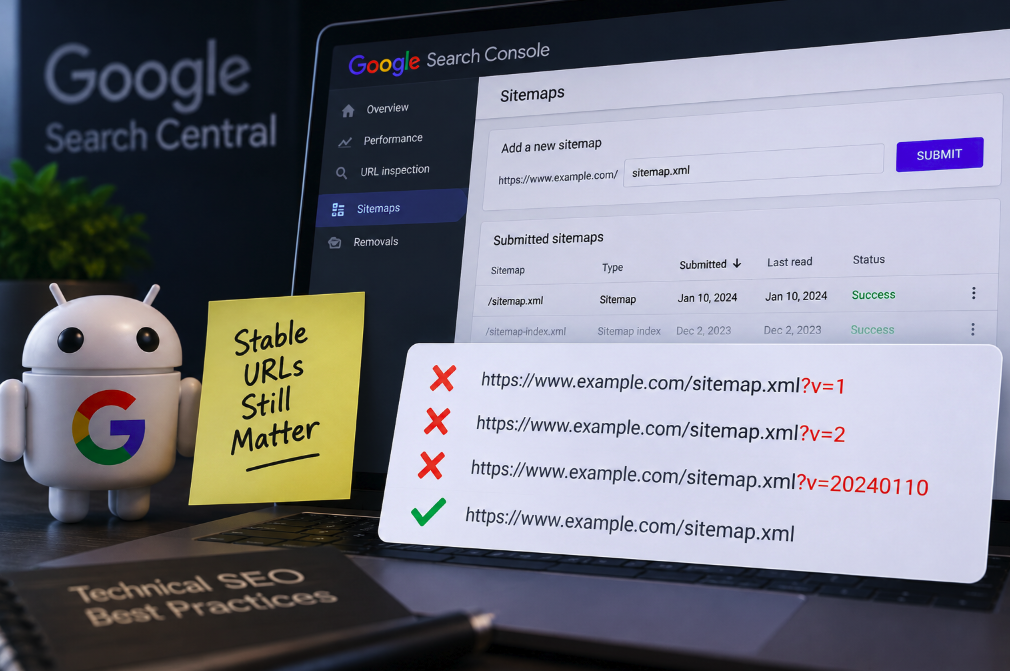
Technical SEO includes various optimizations that help search engines better crawl and index a website—such as improving site architecture, image optimization, page load times, and mobile responsiveness. Meanwhile, link-building strategies aim to increase both the quantity and quality of backlinks, which Google interprets as signals of trust and authority.
However, without solid content to support these efforts, the results can fall flat. Search engines are becoming increasingly sophisticated at detecting and rewarding content that genuinely satisfies user intent, while demoting sites relying solely on superficial optimizations.
Website Migration: A Solution to What, Exactly?
Some webmasters believe that moving a site to a new domain or restructuring it can "reset" past SEO penalties or quality issues. While this can sometimes be beneficial in specific scenarios, in most cases, unless there’s a significant improvement in content quality and a post-migration SEO strategy in place, the move won’t deliver the desired results.
Bottom Line
While technical SEO and link building are essential parts of an effective online marketing strategy, they cannot, by themselves, solve core content-related quality issues. In the following sections, we’ll explore how to integrate these tools with substantial content improvements to build a sustainable, long-term SEO strategy.
Content Quality: The Heart of Google Rankings
Why Content Quality Matters Most
Although SEO tactics are essential for improving a website’s visibility, no amount of technical optimization can replace great content. Google’s algorithms have become highly advanced in assessing the relevance and value of content. These algorithms aim to give users the best search experience by prioritizing pages that deliver real value.
Focusing solely on things like link-building or tag optimization without ensuring strong content may lead to short-term visibility—but over time, rankings will drop. Google will eventually identify and demote content that doesn’t meet user expectations, regardless of how well-optimized the page is.
How Google Measures Content Quality
Google evaluates several factors to determine a page’s quality, such as:
-
Time on page
-
Bounce rate
-
Sharing frequency
-
Citations and backlinks from credible sources
Additionally, Google's AI systems (like BERT) can now understand context and semantics far better than in the past. So, even if your page is optimized, it won’t rank well if the content lacks clarity, accuracy, or substance.
Strategies to Improve Content Quality
1. Address User Intent
Before writing, ask yourself: What problem does this solve for the reader? Ensure every page has a clear purpose and answers a specific user question.
2. Conduct In-Depth Research
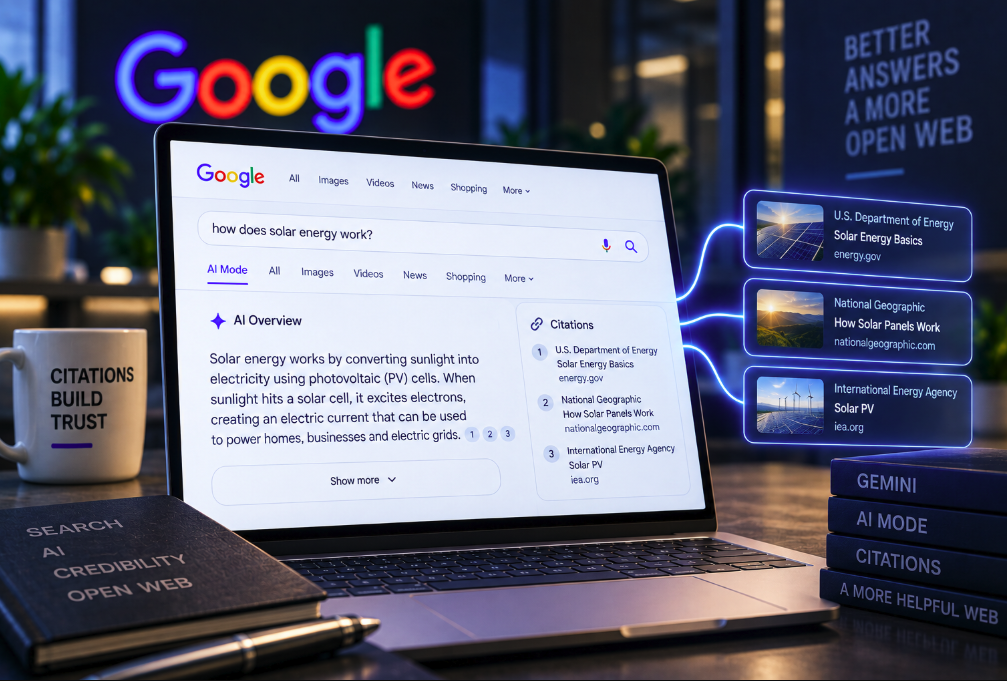
Base your content on trusted sources, and cite them to increase credibility.
3. Prioritize Originality
Avoid copying or rehashing existing material. Google rewards fresh, original insights.
4. Use Multimedia Elements
Enhance the content with visuals like images, videos, and infographics to improve engagement.
5. Keep Content Updated
Outdated content lowers credibility. Refresh your articles with current data and trends regularly.
Also, don’t overlook user experience (UX): fast loading times, intuitive navigation, and attractive design all contribute to how users (and Google) perceive your content.
Conclusion: Content Quality Is SEO
Investing in high-quality content isn’t just good practice—it’s an SEO strategy in itself. Search engines like Google continue to evolve in rewarding sites that offer real user value. Focusing on content quality is essential for sustainable visibility.
While understanding technical SEO is important, never forget that great content is the true engine of rankings, trust, and engagement.